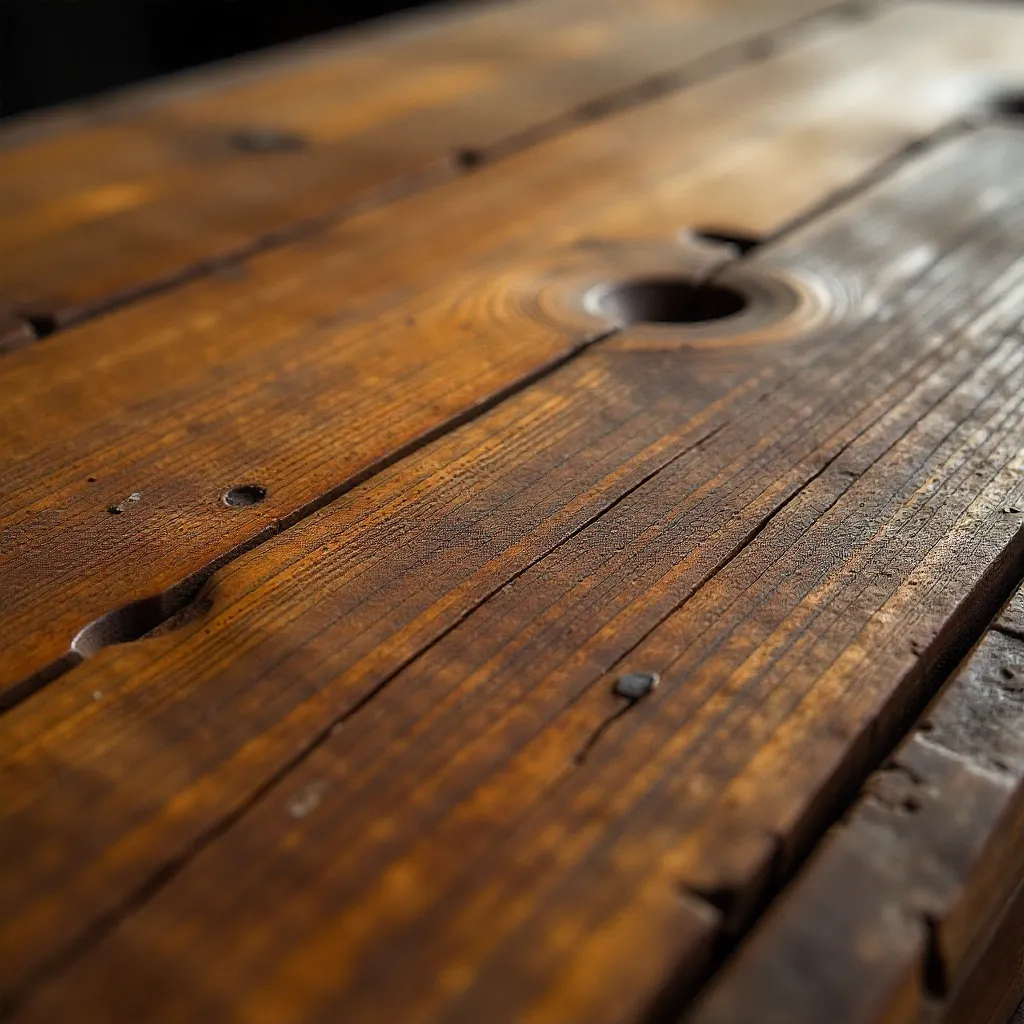
Year 5: The First Transformation
Color Development
After five years, natural finishes begin to show their true character. The initial application has fully cured, and the wood has started to develop a warm, golden tone. The finish feels smooth and integrated with the wood surface.
Grain Enhancement
Wood grain patterns become more pronounced as the finish settles into the fibers. The natural variations in wood density create subtle highlights and shadows that weren't visible in the raw material.
Protective Layer
The polymerized oils have created a flexible barrier that protects against moisture while allowing the wood to expand and contract naturally. This balance prevents cracking and warping.
Year 10: Maturity Emerges
By the ten-year mark, natural finishes have reached a state of maturity. The color has deepened significantly, moving from golden tones to rich amber and honey hues. This transformation is particularly noticeable in hardwoods like oak, walnut, and cherry.
The finish has become part of the wood's identity. Regular maintenance with natural wax has built up layers that create depth and luster. The surface feels warm to the touch, a quality that synthetic finishes cannot replicate.
Minor scratches and wear patterns have blended into the overall patina, creating a surface that shows its history without appearing damaged. This is the beauty of natural finishes—they embrace use rather than hiding from it.
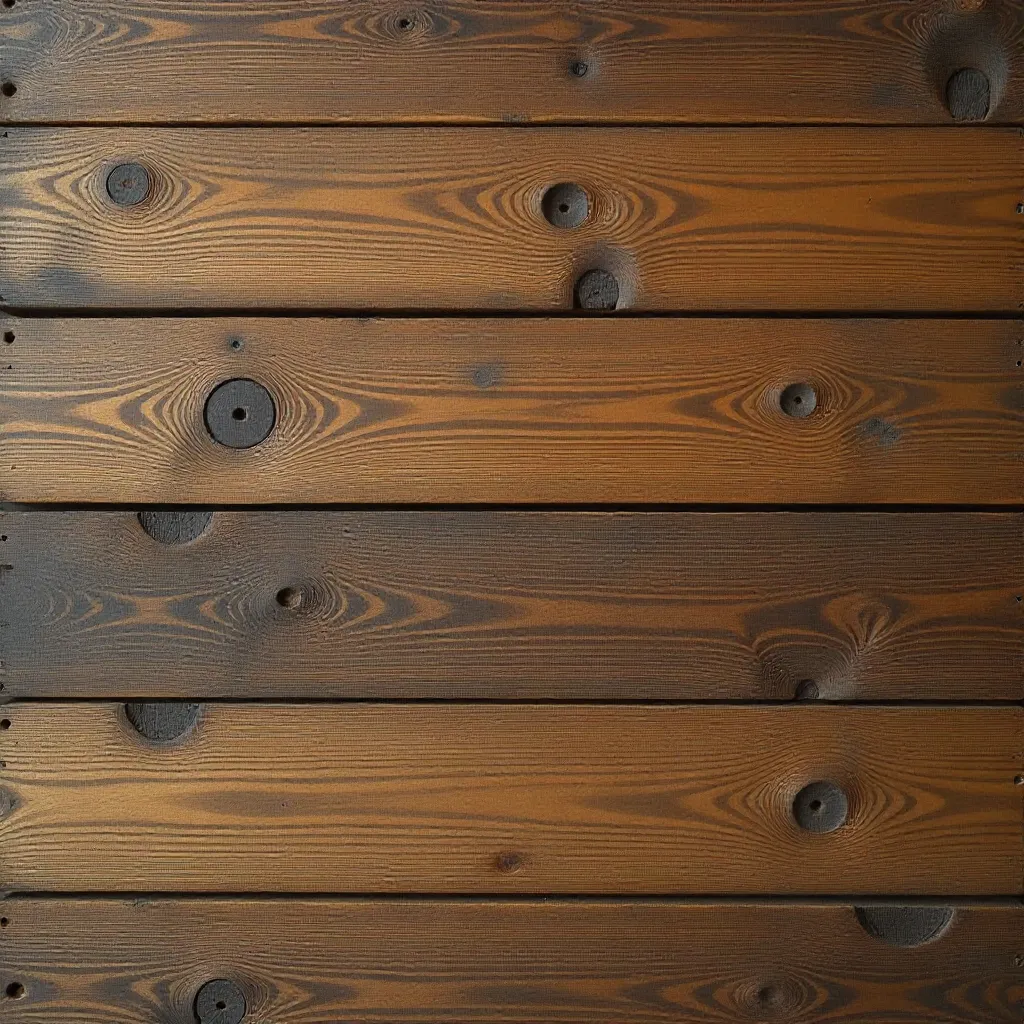
Year 20: The Masterpiece
Two decades of natural aging create finishes that are truly unique. The wood has darkened to rich, complex tones that vary across the surface. Areas that receive more light have developed differently from those in shadow, creating a natural gradient of color.
The finish has become so integrated with the wood that distinguishing between the two becomes difficult. This is the ultimate goal of natural finishing—creating a unified surface where protection and beauty are inseparable.
Unlike synthetic finishes that might yellow, crack, or peel after years of use, natural finishes continue to improve. They develop character that synthetic materials cannot match, becoming more valuable with age rather than less.
The Breathing Wood
Humidity Regulation
Natural finishes allow wood to maintain its ability to regulate humidity. The finish doesn't create an impermeable barrier, so wood can absorb and release moisture as environmental conditions change.
Expansion and Contraction
Because natural finishes move with the wood, they accommodate seasonal changes without cracking or separating. This flexibility is crucial for maintaining the integrity of furniture and wooden structures.
Long-Term Stability
The ability to breathe prevents the buildup of moisture that can lead to rot or warping. This natural regulation system is built into the finish itself, working continuously to protect the wood.
Comparing Natural vs Synthetic
Synthetic finishes create a surface film that sits on top of the wood. Over time, this film can yellow, become brittle, or develop cracks. When damage occurs, it often requires complete removal and reapplication, a process that can damage the underlying wood.
Natural finishes, by contrast, become part of the wood structure. They age gracefully, developing richer colors and deeper character. Maintenance is simple—a light application of wax refreshes the surface without requiring removal of the existing finish.
The difference becomes most apparent after years of use. Synthetic finishes show their age through degradation, while natural finishes show their age through enhancement. This fundamental difference makes natural finishes the choice for those who value long-term beauty and sustainability.
